
 Why Biodiversity Matters to Utilities—And How Wildlife Solutions Help
Biodiversity isn’t just about having more birds, bees, or butterflies—it’s about the health and resilience of entire ecosystems. For utilities managing thousands of miles of overhead lines, biodiversity can often feel like an environmental nice-to-have. But in reality, it’s a strategic advantage.
What Is Biodiversity in Utility Spaces?
In utility rights-of-way (ROWs), biodiversity refers to the variety of native species—birds, insects, mammals, and even plant life—that occupy the land beneath and around electrical infrastructure. When managed with intention, these spaces can become vital corridors for native wildlife and pollinators, especially as urbanization reduces natural habitats elsewhere.
Where Power Line Sentry Fits In
At Power Line Sentry, we’ve seen firsthand how protective solutions for wildlife do more than prevent outages—they support ecosystem health. Our products, from avian flight diverters to perching deterrents and pole wraps that prevent animal electrocutions, are designed to create safer utility spaces for both wildlife and the grid.
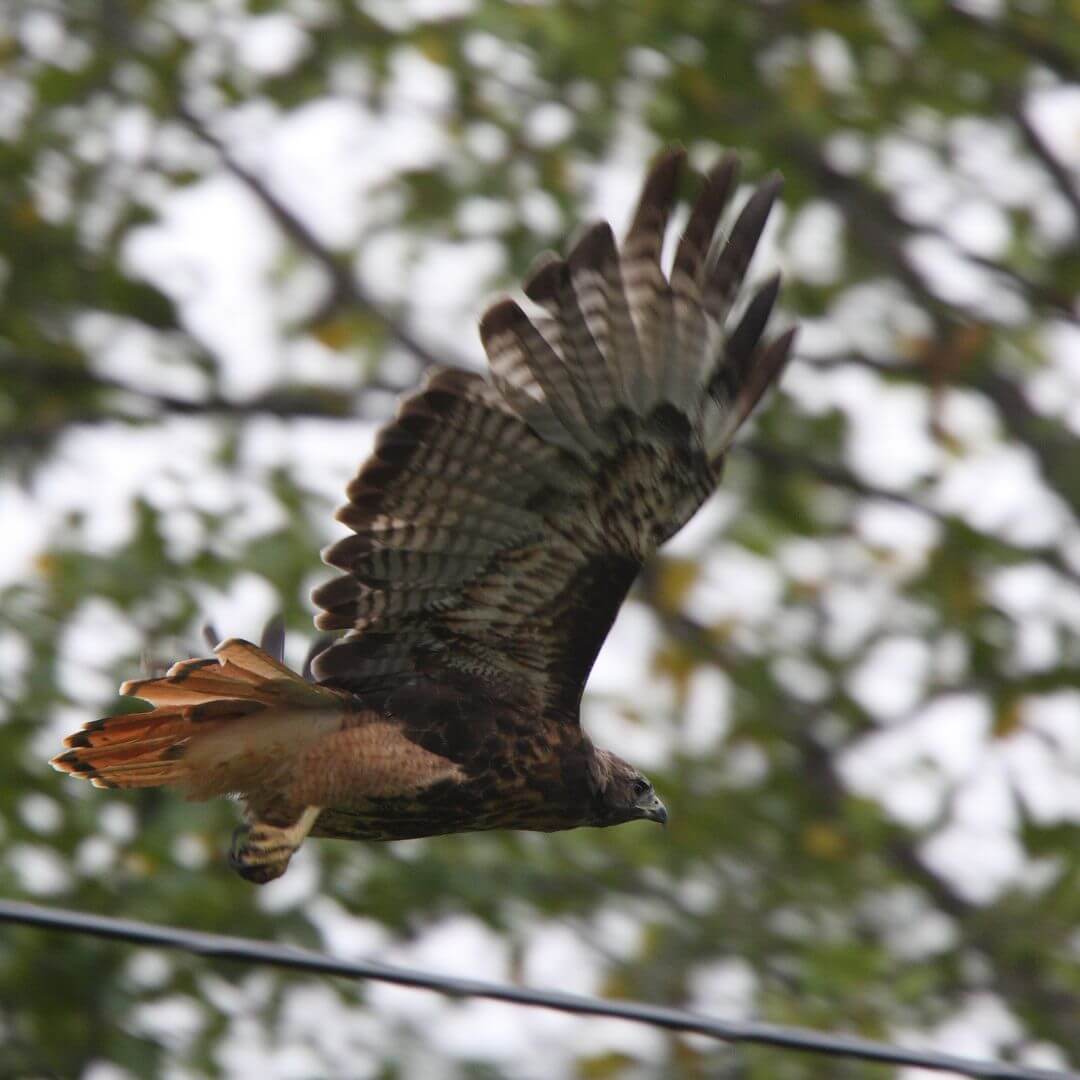
Each protected raptor, sage grouse, prairie chicken, or migratory bird is a small but meaningful win for biodiversity. And every incident prevented reduces stress on line crews, boosts reliability metrics, and supports the utility’s sustainability commitments.
Biodiversity Meets Reliability
Wildlife-safe designs support the growth of native species by reducing the risk of injury or death caused by power infrastructure. That means stronger populations of birds and mammals that help control pests, spread native seeds, and naturally manage brush growth—helping utilities meet vegetation goals with less intervention.
It’s all connected: wildlife protection leads to biodiversity, which leads to grid reliability and long-term cost savings.
Environmental Credibility Starts with Small Choices
Utilities are under more public and regulatory scrutiny than ever. Demonstrating an active role in supporting biodiversity not only boosts ESG scores but also builds public trust. Whether it’s through active habitat preservation, native-friendly vegetation management, or animal-safe line hardware, utilities have powerful tools to protect more than just their assets—they can protect ecosystems.