This incredible bird of prey is a nest-building maverick, known for building nests by dropping sticks - their activities pose significant fire risks for utilities

Ospreys, majestic fish-eating birds of prey, are noteworthy not only for their incredible hunting skills but also for their nesting habits, which pose massive fire risks to power poles. As Power Line Sentry continues its mission to eliminate electrical outages caused by wildlife, the impact of ospreys cannot be understated. Understanding the behaviors of these birds is crucial in developing effective solutions that ensure the reliability of critical electrical infrastructure.
Osprey behavior

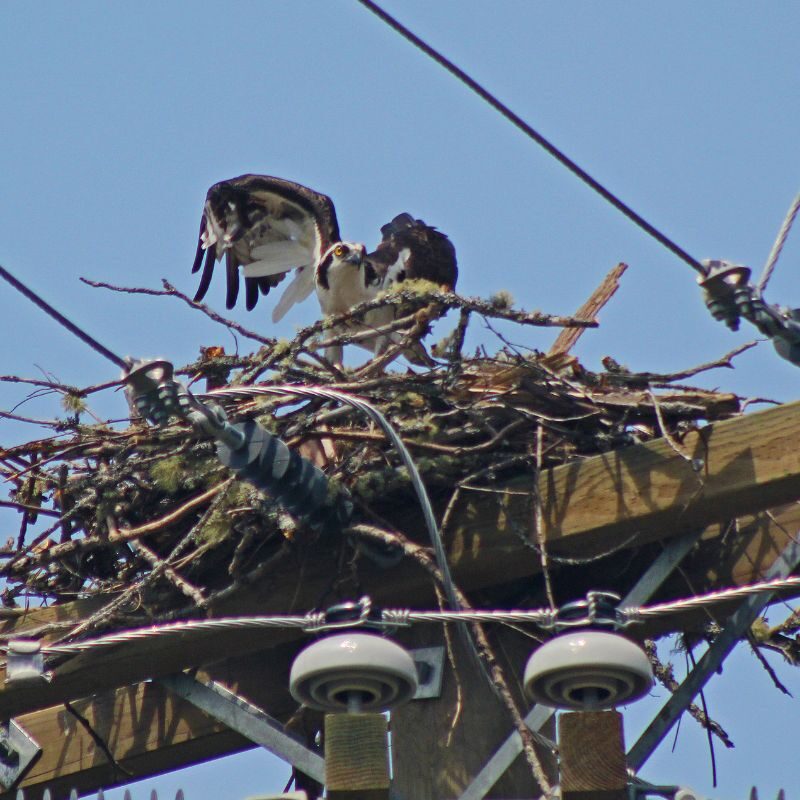
Ospreys, also known as fish hawks, exhibit unique nesting behaviors by constructing their nests primarily with sticks. These nests, often built on elevated structures such as power poles and transmission towers, can inadvertently lead to fires if the sticks come into contact with energized equipment. The natural instinct of ospreys to build nests in elevated locations increases the risk of power outages and safety hazards, emphasizing the need for proactive wildlife mitigation strategies.
osprey on nest on top of powerline pole

Environmental impact

Apart from the risk of fires, ospreys pose challenges to power line reliability through their nesting activities. The accumulation of nesting materials on electrical structures can result in equipment malfunctions, leading to service interruptions and potential damage. By understanding the environmental impact of ospreys on power infrastructure, we have developed specialized solutions that effectively mitigate risks associated with osprey presence near power lines.

Comprehensive wildlife mitigation

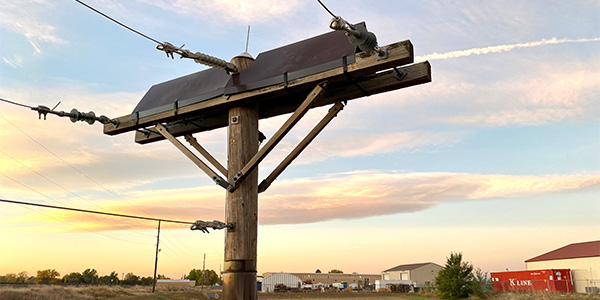
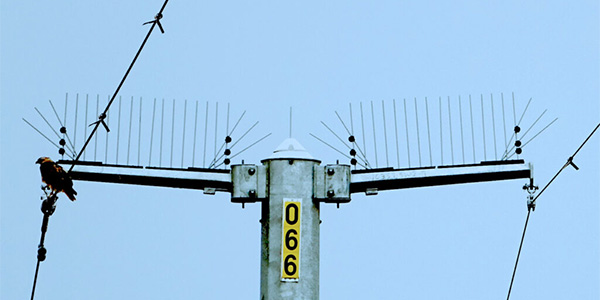
Our commitment to wildlife mitigation extends to addressing the specific threats posed by ospreys to electrical infrastructure. By recognizing the importance of isolating energized 'danger zones' from avian activity, Power Line Sentry engineers durable and long-lasting solutions that safeguard power lines from ospreys' nesting behaviors. These comprehensive mitigation efforts not only enhance system reliability but also protect wildlife and promote environmental sustainability.