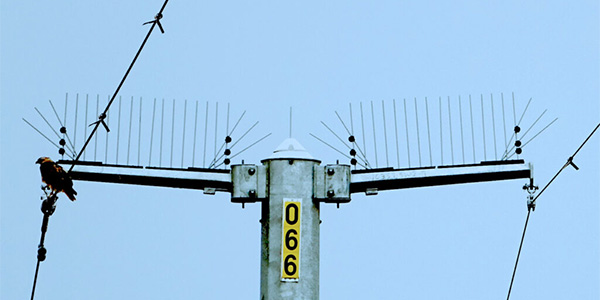
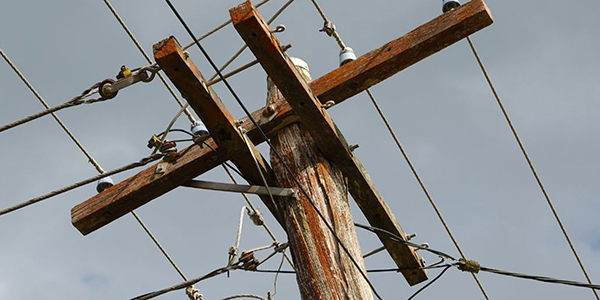
Birds of prey with wide wing spans are most easily able to connect two energized areas, phase-to-phase or phase-to-ground, and are increasingly at risk for getting electrocuted and causing power outages
In today's modern world, the delicate balance between wildlife and infrastructure is often threatened by the presence of power lines in our landscapes. Particularly vulnerable are birds of prey and birds with wide wingspans. Protecting these avian species from the dangers of power line collisions is crucial for the preservation of biodiversity and ecological harmony. Power Line Sentry stands at the forefront of wildlife protection, offering innovative solutions to mitigate the risks posed by power lines to raptors and birds with wide wingspans.

The role of essential wildlife protection strategies
Effective wildlife mitigation strategies are essential to minimize the risks posed by power lines to avian species. We understand the importance of integrating avian protection into the design and maintenance of power distribution systems. Our comprehensive approach addresses the specific needs of birds of prey and birds with wide wingspans, ensuring that they can coexist safely with power infrastructure. Through the implementation of cutting-edge technologies and proven methods, we aim to reduce power line collisions and electrocutions, and create a safer environment for avian species to thrive.
Extensive products for power lines and avian protection
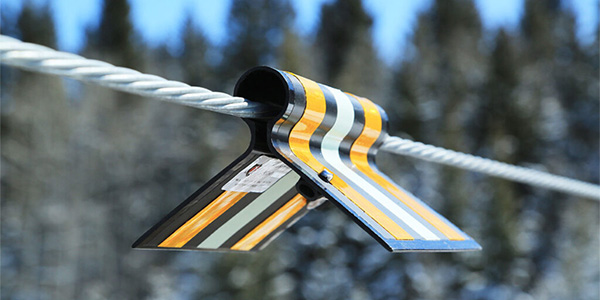
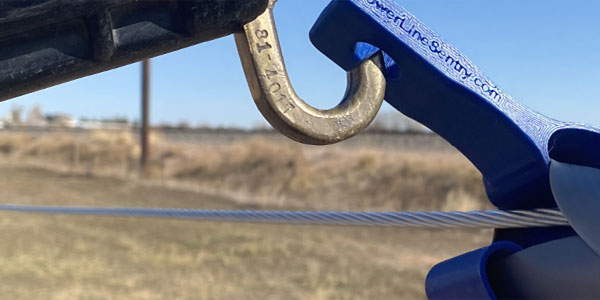
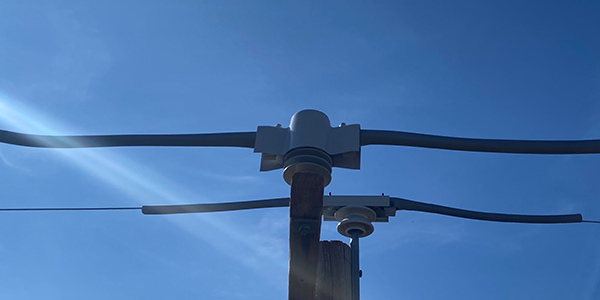
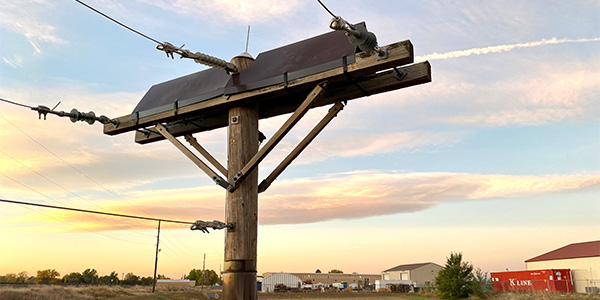
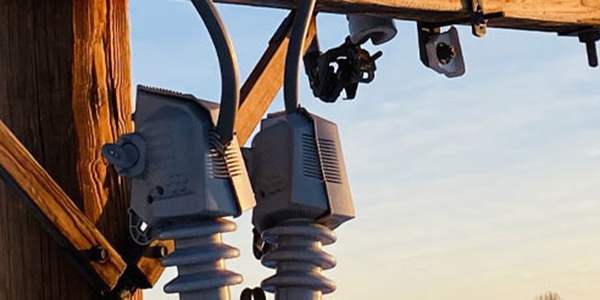
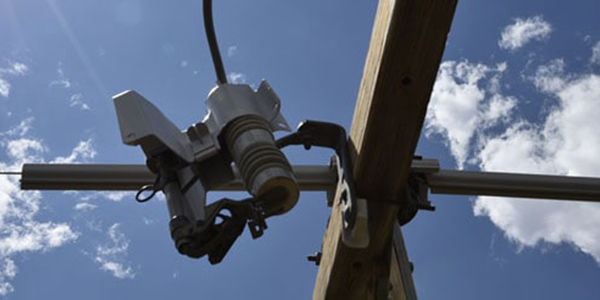
We offer a diverse range of products designed to enhance avian protection and mitigate the risks associated with power lines. From specialized bird flight diverter line markers to nesting and perching prevention systems, our solutions are tailored to meet the unique challenges posed by birds of prey. By choosing our effective solutions, you can significantly reduce the likelihood of collisions and electrocutions and create a safer environment for birds while keeping power distribution systems intact. With Power Line Sentry's extensive product line, you can proactively address wildlife protection concerns and contribute to the conservation of avian species.