
When we look at power grids stretching across the landscape, we see more than just wires and poles; we see environments where energy and ecology must coexist. Birds of prey, including majestic eagles, hawks, and ospreys, frequently interact with our utility infrastructure, often with devastating consequences. To implement effective wildlife protection, we must first understand the behavioral drivers behind these interactions. By taking a closer look at avian behavior and utility structures, we can proactively address the risks and ensure both animal safety and system reliability.
The Natural Appeal of Utility Structures
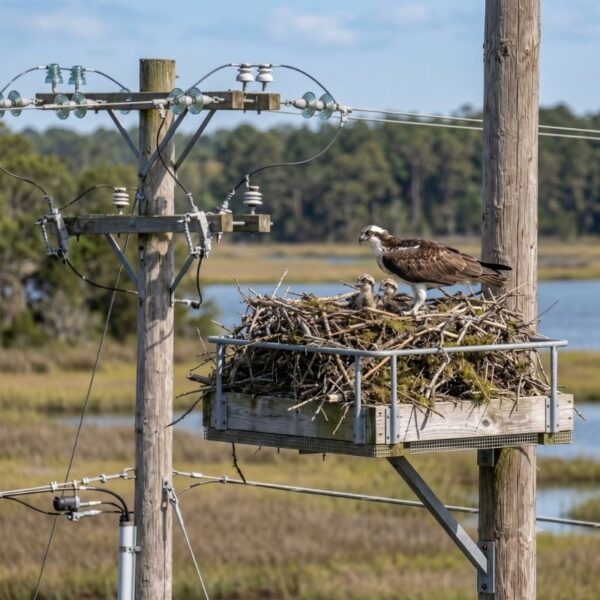
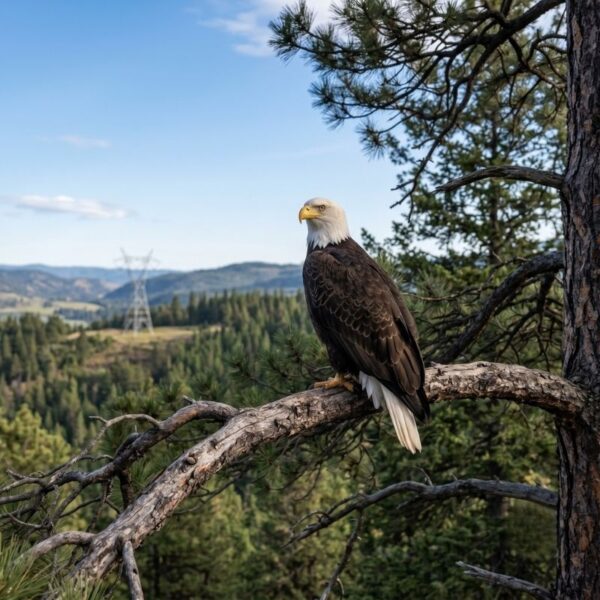
Birds of prey are naturally drawn to high vantage points, making transmission towers and distribution poles incredibly attractive. These elevated structures provide an unobstructed, expansive view of the surrounding landscape. For raptors, this means a perfect location for spotting small prey below, offering a significant hunting advantage in habitats where natural perches are unfortunately scarce.
Nesting Behaviors and Infrastructure Risks
Beyond hunting, many raptors actively seek stable, elevated platforms to build their nests. Ospreys and large hawks frequently utilize utility infrastructure because these structures mimic the security of tall, isolated trees. Understanding this nesting behavior is vital for predicting seasonal avian activity and preventing dangerous interactions between wildlife and energized power lines during breeding months.
The Dynamics of Avian Flight Paths
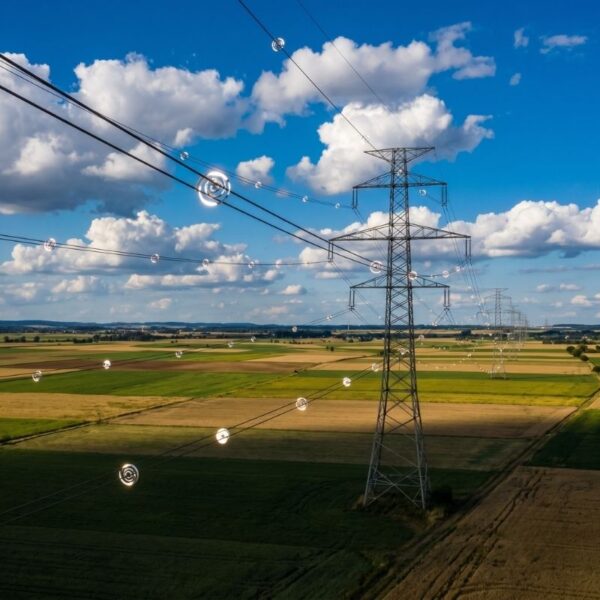
Raptors often engage in high-speed dives and focused pursuits, which significantly reduces their peripheral vision. During these intense hunting flights, thin power lines easily blend into the background environment. This lack of visibility dramatically increases the risk of fatal mid-air collisions, especially when utility lines cross directly over natural migratory corridors or prime hunting territories.
Strategic Placement for Wildlife Mitigation
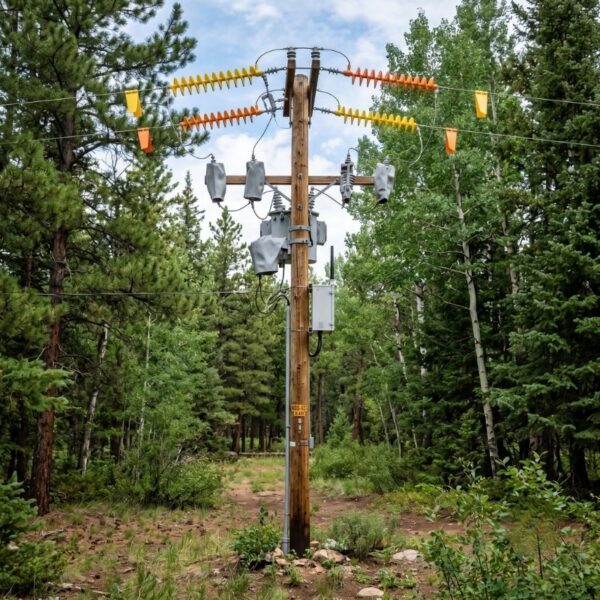
By analyzing these specific behavioral patterns, utility managers can make highly informed decisions regarding wildlife protection. Recognizing precisely why and how birds interact with distribution management systems allows us to strategically install protective devices. Properly placed flight bird diverters ensure maximum visibility, effectively safeguarding vulnerable avian populations while simultaneously improving overall grid reliability and performance.
Understanding the nesting and hunting behaviors of raptors is the foundation of effective wildlife mitigation. When we align our knowledge of avian behavior with strategic utility planning, we can dramatically reduce the risk of collisions and electrocutions. At Power Line Sentry, we are deeply committed to engineering solutions that protect the electrical infrastructure and the wildlife that surrounds it. Our specialized products, including advanced flight bird diverters and perching deterrents, are designed to seamlessly integrate with your distribution management system. We encourage you to explore our comprehensive resources to learn more about safeguarding your grid. Contact us today to discuss how we can support your next wildlife mitigation project.